Basement Wall Insulation in Austin, TX
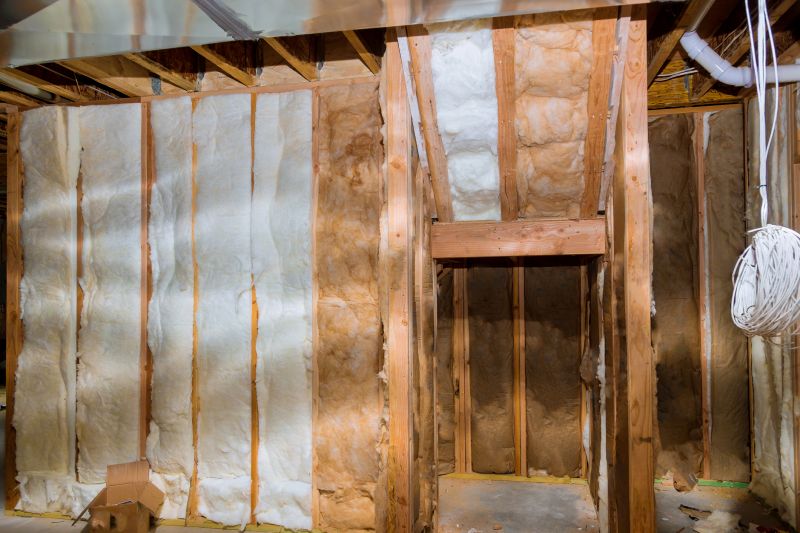
Basement wall insulation services involve adding insulating materials to the interior or exterior surfaces of basement walls to improve energy efficiency and comfort. This process is often used in both finished and unfinished basements to help reduce heat loss, prevent drafts, and control moisture issues. Projects can range from insulating basement walls during new construction to upgrading existing insulation in homes that experience cold spots or high utility bills. Homeowners typically seek this service to enhance overall home comfort, lower energy costs, and protect against potential moisture problems that can lead to mold or structural damage.
Before requesting basement wall insulation, property owners usually want to understand the different types of insulation available, such as foam board, spray foam, or fiberglass, and which option best suits their specific basement conditions. It's also important to consider the current state of the basement walls, including any moisture or mold concerns, as these factors can influence the insulation approach. Clarifying the scope of the project, including whether insulation will be added to interior or exterior walls, helps ensure the solution aligns with the home's needs and goals.
Many property owners in Austin, TX look into Basement Wall Insulation for repairs, replacements, upgrades, and appearance-related improvements.
Benefits Of Basement Wall Insulation
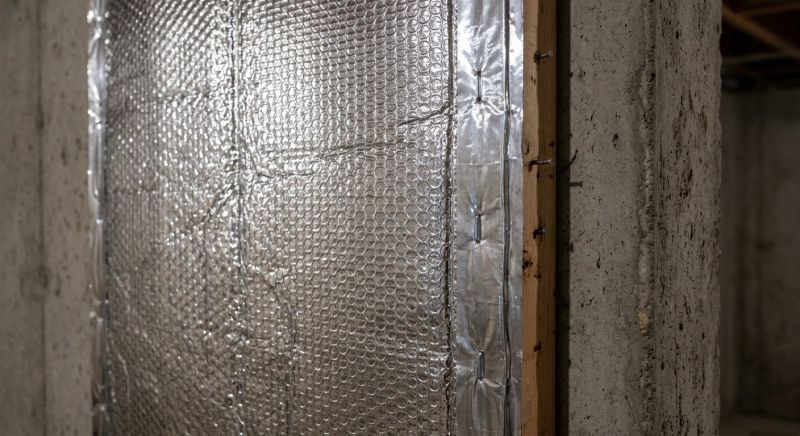
Proper insulation can improve energy efficiency and help maintain consistent indoor temperatures.
Types Of Basement Wall Insulation
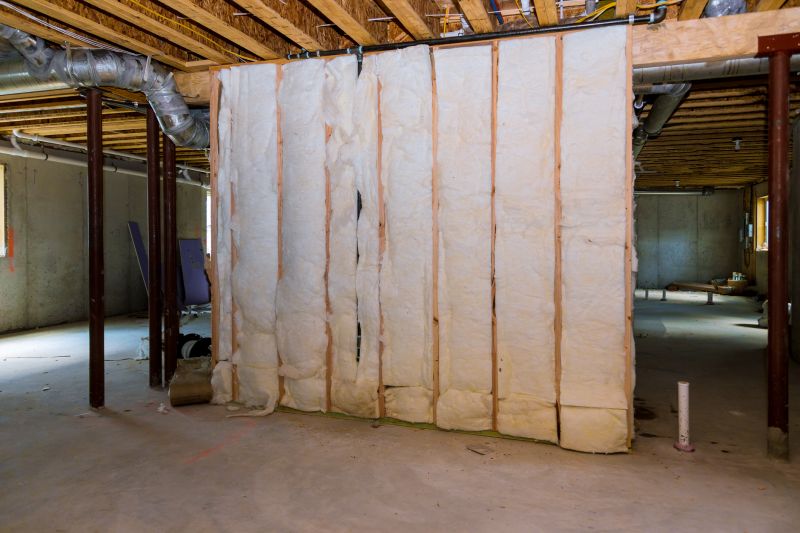
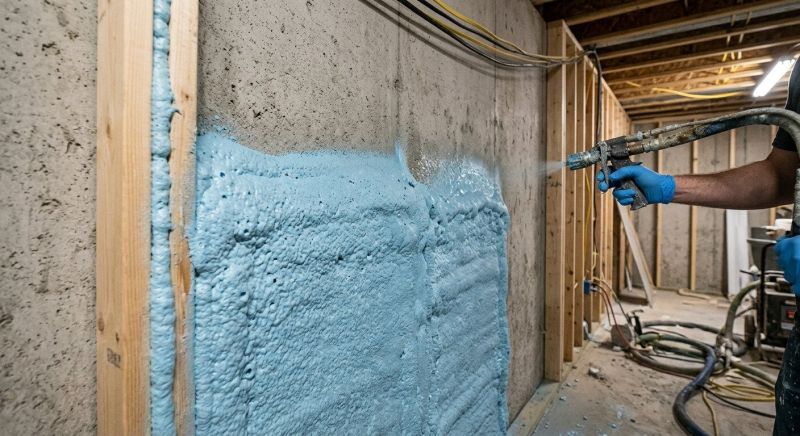
Common options include foam board, spray foam, and fiberglass batts tailored to basement environments.
Signs You Need Basement Wall Insulation
Dampness, drafts, and temperature fluctuations are indicators that insulation upgrades may be beneficial.
Basement Wall Insulation in Austin, TX

Basement wall insulation services involve adding insulating materials to the interior or exterior surfaces of basement walls to improve energy efficiency and comfort. This process is often used in both finished and unfinished basements to help reduce heat loss, prevent drafts, and control moisture issues. Projects can range from insulating basement walls during new construction to upgrading existing insulation in homes that experience cold spots or high utility bills. Homeowners typically seek this service to enhance overall home comfort, lower energy costs, and protect against potential moisture problems that can lead to mold or structural damage.
Before requesting basement wall insulation, property owners usually want to understand the different types of insulation available, such as foam board, spray foam, or fiberglass, and which option best suits their specific basement conditions. It's also important to consider the current state of the basement walls, including any moisture or mold concerns, as these factors can influence the insulation approach. Clarifying the scope of the project, including whether insulation will be added to interior or exterior walls, helps ensure the solution aligns with the home's needs and goals.
Many property owners in Austin, TX look into Basement Wall Insulation for repairs, replacements, upgrades, and appearance-related improvements.
Common Basement Wall Insulation Jobs
Basement Wall Insulation - improves energy efficiency by reducing heat loss through basement walls.
Insulation Installation - involves adding foam or other materials to keep basements warmer in winter.
Moisture Control - helps prevent mold growth and water damage by sealing basement walls.
Energy Savings - can lower heating and cooling costs by enhancing basement thermal performance.
Dampness Prevention - reduces humidity levels and minimizes musty odors in basement spaces.
Soundproofing - decreases noise transfer between basements and upper floors for a quieter home.
Basement Wall Insulation Questions
What is basement wall insulation? Basement wall insulation involves adding material to reduce heat transfer through basement walls, helping to improve energy efficiency and comfort.
Why should property owners consider insulating basement walls? Insulating basement walls helps prevent drafts, reduces heating and cooling costs, and minimizes moisture issues.
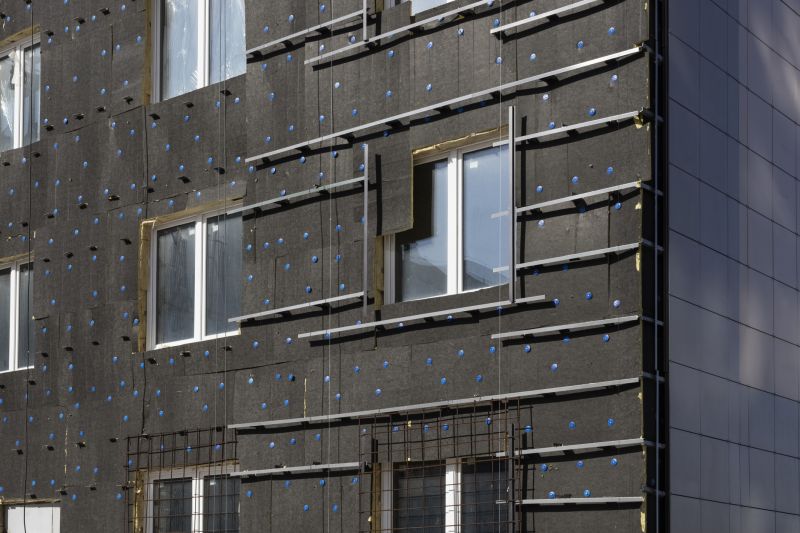
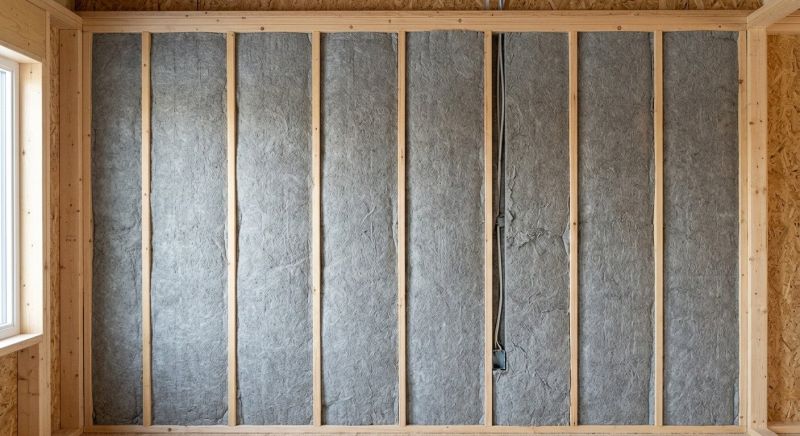
What types of insulation are commonly used for basement walls? Common options include foam board insulation, spray foam, and mineral wool, chosen based on moisture resistance and installation needs.
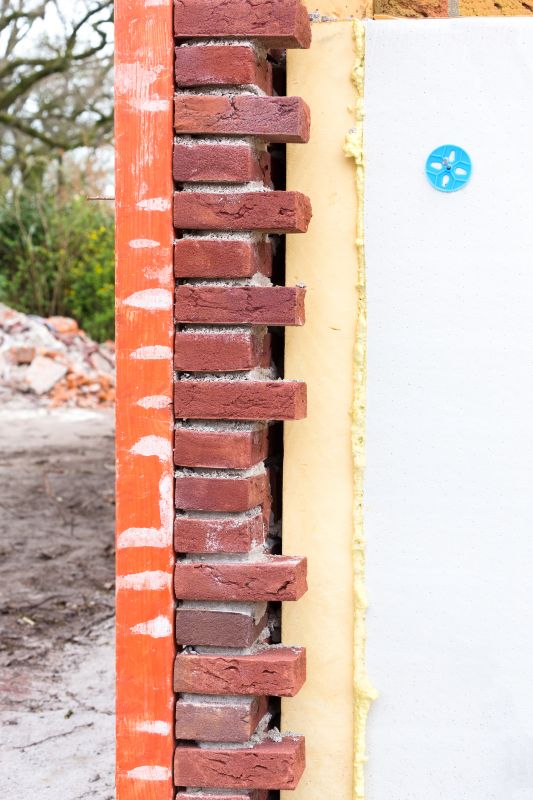
Is basement wall insulation suitable for all types of foundations? It is suitable for most foundation types, including poured concrete and concrete block, to enhance thermal performance and moisture control.
Request Basement Wall Insulation in Austin, TX
Use the quote form on this page to share the basics of your project and request more information for the type of work you need.